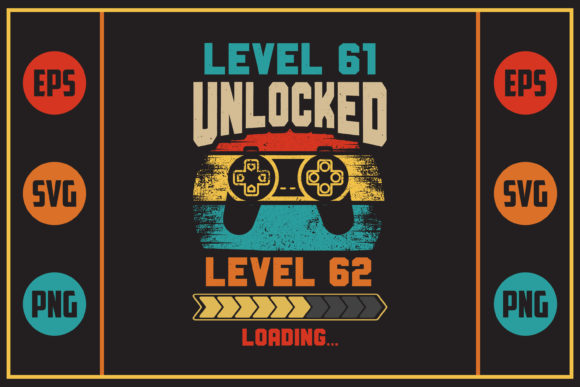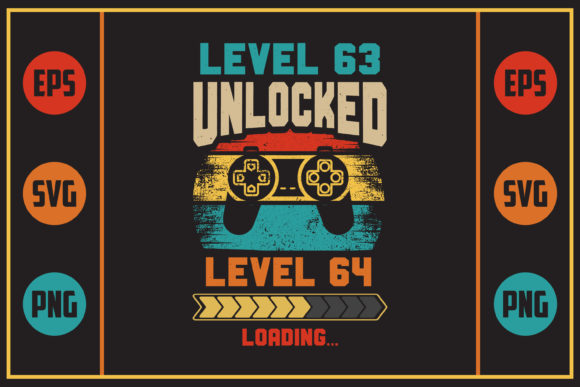
Gaming Retro Design - Level 63: A Designer’s Review
As a designer who has spent years digitizing patterns and testing them on everything from flimsy cotton to heavy denim, I approach every new machine embroidery design with a mix of curiosity and skepticism. We have all been there: you buy a cute graphic, load it onto your machine, and watch in horror as the thread nests or the fabric puckers. That is why I took a close look at Gaming Retro Design - Level 63. This isn’t just about whether the image looks good on a screen; it is about how it performs when the needle hits the fabric.
The first thing that strikes you about this piece is its nostalgic punch. It captures that specific, pixelated energy of classic arcade culture without feeling cluttered. For those of us in the Crafts and Graphics space, finding a balance between retro charm and modern stitchability is key. This design leans into bold shapes and clear lines, which is exactly what you want when translating digital pixels into physical thread. It feels like a design made for people who understand that embroidery is a tactile medium, not just a print.
Real-World Application: The Custom Sweatshirt Test
To truly evaluate Gaming Retro Design - Level 63, I imagined a common scenario for many Etsy sellers and craft business owners: a custom order for a gamer’s birthday. The client wants a personalized sweatshirt that feels premium, not like a cheap iron-on transfer. This is where the design’s layout shines. Because the graphic relies on strong, defined edges rather than overly intricate, microscopic details, it translates beautifully onto textured fabrics like fleece or French terry.
When I visualized this as a sweatshirt embroidery project, the boldness of the "Level 63" concept allowed for vibrant thread colors to pop against darker garments. A neon green or electric blue would stand out sharply against a charcoal grey hoodie, creating that high-contrast look gamers love. However, because this is a digital embroidery file provided as an SVG, you have the flexibility to resize it within your software before converting it to your machine’s native format. This adaptability is crucial for custom apparel, where chest placements differ significantly from back prints.
Versatility Across Product Lines
Beyond apparel, this design has legs in the small shop product market. Consider its potential as an embroidered patch. The self-contained nature of the graphic means it can be stitched out on twill or felt, cut, and applied to jackets, bags, or hats. Patches are a huge seller for creative entrepreneurs because they allow customers to customize their own items later. The clean lines of Gaming Retro Design - Level 63 ensure that the satin or fill stitches used in the patch remain dense and durable, preventing fraying over time.
I also see this working well for tote bag design projects. Canvas bags require designs that can handle the weave of the fabric without getting lost. A retro gaming motif appeals to a wide demographic, from teens to adults who grew up in the 80s and 90s. Whether you are making a personalized gift for a friend or stocking inventory for a holiday rush, the universal language of gaming levels makes this a safe yet stylish bet. It fits seamlessly into categories like holiday embroidery for gift-giving seasons or even as part of a boutique’s everyday design assets.
Technical Considerations for Stitching Success
While the aesthetic is strong, we need to talk about the technical side. Since the product description specifies that you receive an SVG file intended for cutting machines and design suites like Cricut, Silhouette, or Adobe, you are likely responsible for the digitization process if you are using it for embroidery. This is a critical distinction. An SVG is a vector graphic, not a stitch file. If you are an embroidery designer, you will need to convert this vector into stitches using your preferred software.
When digitizing this for embroidery, pay close attention to stitch density. Retro pixel art can sometimes trick designers into creating too many small color changes or tiny blocks of fill stitch. To maintain quality, I recommend simplifying the color palette. Too many thread breaks can weaken the structure of the design and increase production time. Use a combination of satin stitch for borders and text elements to give them a raised, professional look, and fill stitch for larger background areas. Ensure your underlay is sufficient, especially if you are stitching on stretchy fabrics.
Another factor is hoop size. Before you start, confirm that your design fits within your machine’s maximum hoop area. If you are scaling it up for a large back panel on a jacket, you may need to split the design or use a larger hoop. Conversely, if you are shrinking it for a baby embroidery project on a onesie, ensure the details do not become so small that the stitches merge together. Always test on scrap fabric first. Check how the fabric texture interacts with the thread. A smooth cotton will show off crisp lines, while a fluffy towel might require a denser stitch pattern to prevent the fabric from peeking through.
Maximizing Value for Your Craft Business
For commercial embroidery professionals, the value of a design lies in its reliability and appeal. Gaming Retro Design - Level 63 offers a niche-specific appeal that can help you target a dedicated customer base. Gamers are passionate about their hobby, and they appreciate merchandise that reflects their identity. By offering high-quality, well-stitched items featuring this design, you build customer trust and brand consistency.
When listing this as a finished product on platforms like Etsy, use clear photos that show the texture of the stitches. Close-ups of the satin edges and the clean backing of the embroidery can significantly boost buyer engagement. If you are selling the digital file itself, be transparent about what is included. Since this purchase includes one ZIP file with an SVG, clarify that buyers need their own digitization software if they intend to embroider it. This honesty prevents refunds and negative reviews, protecting your reputation as a digital product seller.
In conclusion, Gaming Retro Design - Level 63 is a versatile and visually engaging asset for any maker working in the gaming niche. Its strength lies in its bold, retro aesthetic that translates well to various mediums, from custom apparel to home decor. However, its success depends entirely on your execution. Take the time to digitize it correctly, choose the right stabilizer, and test your thread choices. When done right, this design can elevate your handmade product line and resonate deeply with customers who love the golden age of gaming. It is not just a graphic; it is a tool for creating connection through craft.