Geek on Fleek: A Designer’s Practical Review
As an embroidery designer who has spent countless hours digitizing, testing, and stitching out thousands of designs, I approach every new machine embroidery design with a mix of curiosity and caution. We have all been there: you see a cute graphic online, download it, and hope it translates well to thread. More often than not, the reality involves puckered fabric, broken needles, or a finished product that looks nothing like the digital preview. That is why I took a close look at Geek on Fleek, not just as a consumer, but as a professional evaluating its potential for real-world application in my craft business.
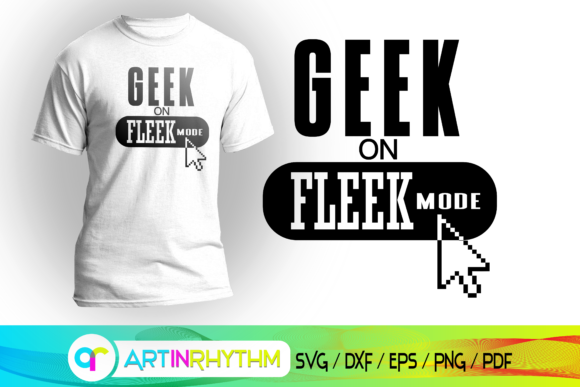
The first impression of Geek on Fleek is one of playful confidence. It captures a specific cultural mood—blending nerd culture with modern slang—in a way that feels current without being overly trendy to the point of dating quickly. Visually, the layout is balanced, with a clear focal point that draws the eye. For those of us creating custom apparel or personalized gifts, this immediate visual clarity is crucial. Customers scrolling through an Etsy shop or walking past a craft fair booth need to understand the message instantly. This design delivers that punchy readability, which is a significant asset for any Etsy seller or small shop owner looking to boost engagement.
Real-World Application: The Tote Bag Test
To truly evaluate an embroidery file, you have to imagine it on actual products. I mentally placed Geek on Fleek on a canvas tote bag, a popular item for boutique branding and everyday use. Canvas is a forgiving fabric, but it has a distinct texture. The design’s lines appeared crisp enough to stand out against the weave of the material. I could easily envision this as a standout tote bag design for book lovers, students, or tech enthusiasts. The contrast between the thread and the natural fabric would highlight the details, making it a strong candidate for a handmade product that sells itself through visual appeal.
Beyond totes, I considered sweatshirt embroidery. This is where many designs fail due to excessive density. If Geek on Fleek relies heavily on dense fill stitch areas, it could become stiff and uncomfortable on a garment. However, if the design utilizes a mix of satin stitch borders and lighter fill areas, it would drape beautifully on a hoodie or crewneck. For a small shop product, comfort is just as important as aesthetics. A design that looks great but feels like a plastic patch on the chest will not generate repeat customers. I recommend checking the stitch count and density map if available, or running a test stitch on similar weight fabric before committing to a full production run.
Navigating Fabric and Hoop Constraints
One of the most critical aspects of using any digital embroidery file is understanding its limitations. Geek on Fleek seems versatile, but I would exercise caution when applying it to challenging surfaces. For instance, curved surfaces like caps require careful hooping and often a different stabilization strategy. If the design has wide, flat areas, it might bridge poorly on a structured cap without proper underlay. Similarly, thin or stretchy fabrics demand respect. Using this design on a lightweight t-shirt without a cut-away stabilizer could lead to distortion after the first wash.
I also thought about baby embroidery. Parents love personalized items, but safety and comfort are paramount. If Geek on Fleek includes tiny, intricate details or sharp corners, these might not hold up well on soft baby knits. Tiny lettering can easily get lost or become illegible if the thread colors do not contrast sharply with the fabric. For nursery decor or baby clothes, I would suggest scaling the design up slightly to ensure clarity, or choosing high-contrast thread combinations to maintain the integrity of the message.
Commercial Viability and Brand Consistency
For creative entrepreneurs, the value of a design extends beyond its look; it lies in its commercial viability. Geek on Fleek fits neatly into the Crafts and Graphics categories, appealing to a demographic that values humor and identity. This makes it an excellent choice for commercial embroidery projects targeting niche markets. Whether you are creating holiday embroidery gifts for the tech-savvy friend or stocking your online store with year-round bestsellers, this design offers flexibility.
However, professionalism is key. Before listing any finished product featuring this design, you must verify the licensing terms. The product description notes it is an INSTANT DOWNLOAD and mentions compatibility with Silhouette cutting machines and formats like SVG, EPS, PNG, and DXF. This suggests it is primarily a graphic asset that can be used for various crafting methods. If you are using it for machine embroidery, ensure you have the correct embroidery-specific file formats (such as PES, DST, or JEF) if they are included, or confirm that the vector files can be properly digitized or converted for your specific machine. Never assume a graphic file is ready for embroidery without checking the technical specifications.
Practical Designer Notes for Best Results
To get the most out of Geek on Fleek, I recommend a few practical steps before you start stitching for clients:
- Test on Scrap Fabric: Always stitch out a sample on the same type of fabric you plan to use for the final product. This reveals issues with tension, density, and registration.
- Check Thread Contrast: View your design in black and white. If the details disappear, you need higher contrast between your thread and fabric choices.
- Inspect Small Details: Zoom in on the digital file. Are there tiny elements that might cause thread breaks? Consider simplifying or removing them if they are too delicate for production.
- Verify Hoop Size: Ensure the design fits comfortably within your hoop, leaving enough margin for stable hooping. Crowding the edges can lead to misalignment.
- Use Proper Stabilizer: Match your stabilizer to your fabric. Cut-away for knits, tear-away for wovens, and consider topping for textured fabrics like towels or fleece.
In conclusion, Geek on Fleek presents itself as a fun, engaging asset for makers. Its strength lies in its relatable theme and clean visual structure. By approaching it with a designer’s eye—considering fabric texture, stitch density, and end-use functionality—you can transform this digital asset into a high-quality embroidered patch, a stylish piece of custom apparel, or a charming personalized gift. Remember, the difference between a good product and a great one often comes down to the tester’s diligence. Take the time to test, adjust, and perfect your technique, and this design can become a reliable staple in your craft business portfolio.