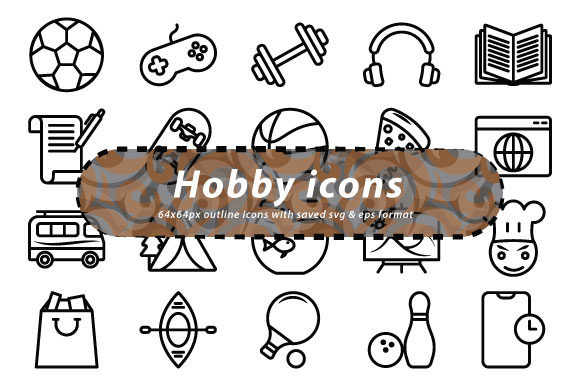
Hobby Icon Pack: A Designer’s Real-World Review
As an embroidery designer who has spent countless hours digitizing and testing files for client projects, I have learned that the gap between a digital preview and a stitched reality is often wider than it appears. When I first opened the Hobby Icon Pack, my initial reaction was one of cautious optimism. The promise of twenty distinct icons covering everything from sports to gaming, all rendered in a clean outline style, suggests versatility. However, for those of us running small shops or fulfilling custom orders, versatility means nothing if the design does not hold up under the needle. This review breaks down how these graphics perform in actual production environments, focusing on practical application rather than just aesthetic appeal.
First Impressions and Visual Personality
The immediate strength of the Hobby Icon Pack lies in its minimalist approach. In the world of machine embroidery, less is often more, especially when dealing with small hoop sizes or textured fabrics. The outline style creates a modern, airy feel that avoids the heaviness associated with dense fill stitches. This is crucial for contemporary custom apparel, where customers increasingly prefer subtle branding over loud, bulky logos. The mood created by these Icons is playful yet professional, making them suitable for a wide demographic, from young gamers to active sports enthusiasts.
From a layout perspective, the simplicity of the lines suggests that these designs were created with clarity in mind. For an Etsy seller or craft business owner, this translates to faster stitching times and lower thread consumption. However, the true test is not how they look on a screen, but how they translate into a finished product. The visual personality of the pack is adaptable, fitting seamlessly into both casual streetwear and refined home decor items.
Real-World Application: The Custom Tote Bag Test
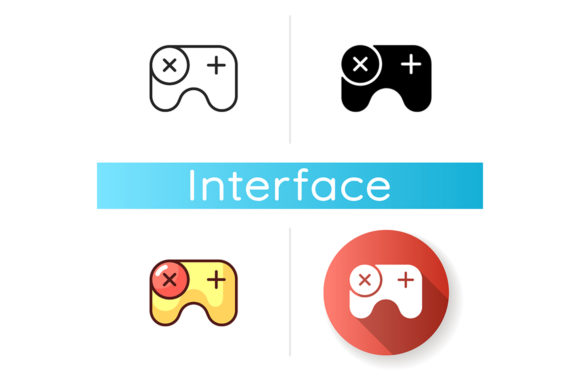
To evaluate the practical utility of this collection, I selected a few icons to test on a canvas tote bag, a staple item for many handmade product sellers. Canvas presents a unique challenge due to its weave and tendency to shift if not properly stabilized. I chose a gaming controller icon and a simple sports ball motif from the Hobby Icon Pack.
Using a medium-weight cut-away stabilizer, I stitched the designs using a standard running stitch technique to maintain the outline aesthetic. The result was impressive. The clean lines remained crisp without pulling or distorting the fabric. This experience highlighted why outline-style graphics are so valuable for tote bag designs. Unlike complex applique design work or heavy satin stitch borders, these icons sit lightly on the surface, preserving the drape and feel of the bag. For a small shop product, this efficiency allows for quicker turnaround times without sacrificing quality.
Versatility Across Product Lines
Beyond tote bags, the potential applications for this embroidery file collection are extensive. Consider sweatshirt embroidery, where bulk is the enemy. A dense design on a fleece hoodie can feel stiff and uncomfortable against the skin. The lightweight nature of the Hobby Icon Pack makes it ideal for chest logos on hoodies or sleeves on long-sleeve tees. The icons breathe with the fabric, maintaining comfort while adding a personalized touch.
For baby embroidery, safety and softness are paramount. Parents are often hesitant to purchase items with rough, raised stitching. These outline icons, when digitized correctly with appropriate stitch density, offer a smooth finish that is gentle against sensitive skin. Whether used on a onesie, a burp cloth, or a nursery decor pillow cover, the designs add charm without compromising comfort. Similarly, for holiday embroidery projects, such as personalized ornaments or festive kitchen towels, the simplicity of the Icons allows for quick customization with seasonal thread colors.
Navigating Technical Challenges
While the Hobby Icon Pack is robust, it is not without its limitations. Designers must exercise caution when working with specific materials and hoop configurations. The outline style relies heavily on the precision of the running stitch. On stretchy fabrics like jersey knits, inadequate stabilization can lead to wobbling lines or registration issues. It is essential to use a high-quality stabilizer and perhaps a topping if stitching on textured materials like terry cloth towels.
Another critical consideration is scale. When shrinking these graphics for small hoop sizes, such as a 4x4 inch hoop for an embroidered patch or a cap, the spacing between lines becomes vital. If the design is scaled down too far, the gaps between the outlines may close up, causing the threads to merge and losing the intended airy effect. I recommend always testing the design on scrap fabric at the intended size before committing to the final garment. This is particularly important for curved surfaces like caps, where distortion is common.
Dark fabrics present another hurdle. Since these are outline designs, they lack the solid coverage of a fill stitch. On black or navy garments, the thread color must contrast sharply to ensure visibility. A dark gray thread on a black shirt will vanish. Therefore, selecting the right thread colors is not just an aesthetic choice but a functional necessity for legibility.
Enhancing Brand Value and Customer Trust
For commercial embroidery professionals and digital product sellers, the consistency of design assets is key to building brand recognition. The Hobby Icon Pack offers a cohesive look that can help standardize a product line. When customers see a consistent style across various items—be it a mug wrap mockup, a t-shirt, or a printable mockup for online listings—it reinforces professionalism. This consistency builds trust, encouraging buyers to engage with the brand and return for future purchases.
Moreover, the versatility of these Icons supports diverse marketing strategies. An Etsy seller can use the same design asset to create a range of products, from personalized gifts for gamers to sports-themed merchandise for local teams. This flexibility maximizes the return on investment for the design file. By offering high-quality, well-tested embroidery projects, sellers can differentiate themselves in a crowded market, appealing to buyers who value craftsmanship and attention to detail.
Practical Notes for the Embroidery Designer
Before integrating the Hobby Icon Pack into your workflow, consider these practical steps:
- Test on Scrap Fabric: Always run a test stitch on the same type of fabric you plan to use for the final product. This helps identify any tension issues or stabilization needs.
- Check Stitch Density: Ensure the digitization matches your machine’s capabilities. While outline styles are generally low-density, verify that the jump stitches are minimized to reduce trimming time.
- Contrast is Key: Evaluate your thread color choices against the fabric background. High contrast ensures the design remains visible and impactful.
- Verify Licensing: Before selling finished items or digital products featuring these Icons, confirm the license terms. Understanding whether the file allows for commercial use is critical for legal compliance.
- Inspect Small Details: Zoom in on the digital file to check for any potential overlapping lines or tiny details that may not stitch out cleanly at smaller sizes.
In conclusion, the Hobby Icon Pack is a valuable addition to any designer’s library. Its strength lies in its simplicity, versatility, and adaptability across various fabrics and products. By understanding its technical nuances and applying best practices in stabilization and thread selection, embroidery professionals can leverage these graphics to create high-quality, commercially viable products. Whether for a single personalized gift or a full boutique collection, these Icons provide a solid foundation for creative expression and business growth.