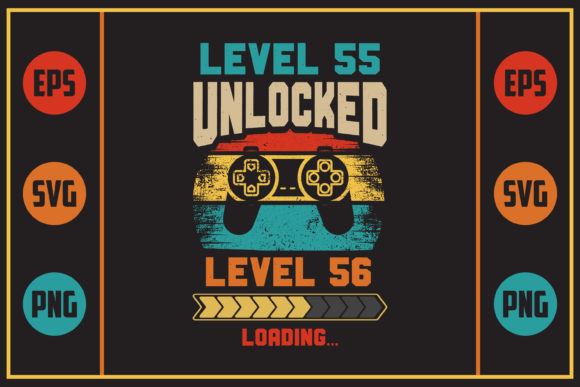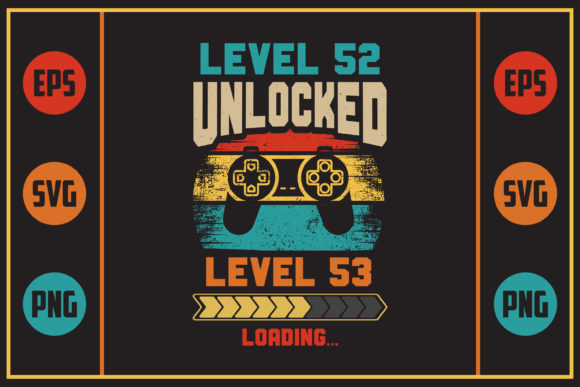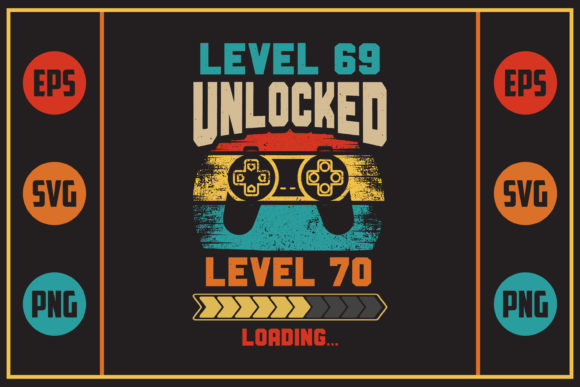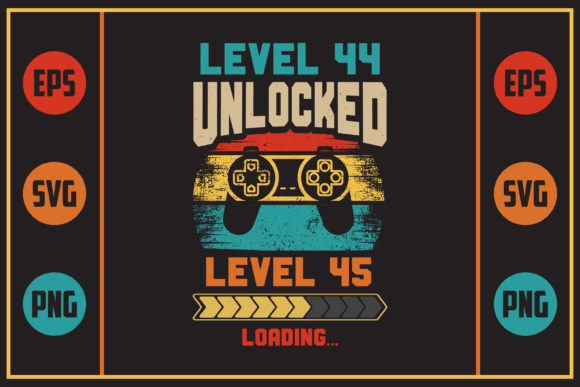
Reviewing Gaming Retro Design - Level 44 for Embroidery
As a designer who spends more time staring at stitch simulations than I do sleeping, I have learned that not every digital graphic translates well to thread. We have all been there: you find a cute Graphics asset online, it looks crisp on the screen, but once it hits the fabric, it turns into a puckered mess of tangled bobbin thread. That is why I approach every new machine embroidery design with a healthy dose of skepticism and a stack of scrap fabric. Today, I am taking a close look at Gaming Retro Design - Level 44, evaluating it not just as a pretty picture, but as a functional tool for your next embroidery project.
The First Impression: Nostalgia Meets Modern Craft
When I first unzipped the file for Gaming Retro Design - Level 44, the immediate vibe was unmistakable. It taps into that specific, pixel-perfect nostalgia that defines the retro gaming era. For those of us in the Crafts community, this aesthetic is a double-edged sword. It is incredibly popular, which means high demand, but it also means customers have a keen eye for detail. If the pixels look sloppy, the whole illusion breaks.
The layout of this design feels balanced. It does not try to do too much, which is often where retro designs fail. Instead of overcrowding the hoop with tiny, indistinguishable details, it relies on strong shapes and recognizable iconography. This simplicity is crucial for embroidery. In my experience, a design that reads well from three feet away is infinitely more valuable than one that requires a magnifying glass to appreciate. This piece feels like it belongs on a sweatshirt embroidery project or a sturdy canvas tote bag design, where bold lines can shine without getting lost in the fabric texture.
Real-World Application: The Custom Sweatshirt Test
To truly understand how Gaming Retro Design - Level 44 performs, I imagined a real-life scenario. A client wants a custom birthday gift for their partner, who is obsessed with classic arcade games. They want a personalized gift that feels high-end, not like a cheap iron-on transfer. This is where the rubber meets the road.
I visualized placing this design on the left chest of a heavyweight cotton sweatshirt. The retro theme pairs naturally with the casual, comfortable vibe of streetwear. Because the design is provided as an SVG within the zip file, it offers flexibility. However, as an embroiderer, I know that SVGs are vector graphics meant for cutting machines like Cricut or Silhouette, or for use in Adobe Suite and Inkscape. To use this for embroidery, you would typically need to convert these shapes into stitches using your preferred digitizing software, or use it as a reference for a pre-digitized pattern if one were included. Since the product description specifies it is a digital download only containing an SVG, this is a critical distinction. You are buying a graphic asset, not a ready-to-stitch embroidery file like DST or PES.
This matters because it changes your workflow. If you are a Etsy seller or run a small shop product line, you need to decide if you are digitizing this yourself or using it for heat-transfer vinyl (HTV) applications. If you are digitizing it, the clean lines of the SVG make the process smoother. You can easily assign satins stitch borders and fill stitch backgrounds without fighting against jagged edges. The result is a clean, professional finished product that justifies a higher price point.
Navigating Fabric and Technique Challenges
Let us talk about the technical side. Retro designs often rely on blocky shapes, which can be deceptive. While they look simple, large areas of solid color can lead to issues with stitch density. If you are converting this SVG into an embroidery pattern, you must be careful not to make the fill too dense, especially if you are working on stretchy fabrics like jersey knits for t-shirts. Too much density, and you risk perforating the fabric or causing unsightly puckering.
I recommend using a cut-away stabilizer for any garment that will be washed frequently. A tear-away might seem easier, but for a custom apparel item that needs to last, cut-away provides the necessary support to keep those retro shapes crisp over time. Also, consider the thread colors. Retro gaming palettes are often vibrant and high-contrast. This design will pop best when you use threads with a slight sheen, like polyester, rather than matte cotton, which can sometimes look flat in solid fill areas.
Another consideration is the scale. If you plan to use this on a smaller item, like a baby embroidery onesie or a cap, you need to check the minimum size. Tiny details in retro graphics can get lost if scaled down too far. Always run a test stitch on a similar fabric scrap. Check how the corners turn out. Sharp, pixelated corners can sometimes bunch up if the needle penetration is too aggressive. Adjusting your pull compensation settings during digitization can help maintain that sharp, digital look without compromising the integrity of the stitch.
Commercial Viability and Brand Consistency
For creative entrepreneurs and craft business owners, the question is always: will this sell? The answer lies in presentation. Gaming Retro Design - Level 44 has a strong visual personality that appeals to a specific niche. This is good for branding. If your shop focuses on geek chic, nerd culture, or personalized gamer gear, this design fits seamlessly into your catalog. It helps build brand consistency because it speaks a clear visual language.
However, since this is a Graphics file and not a pre-digitized embroidery format, you have the freedom—and the responsibility—to make it unique. You can adjust the colors to match seasonal trends, creating holiday embroidery variations or limited-edition drops. This flexibility allows you to create a printable mockup or a digital preview that looks exactly like the final stitched item, boosting customer trust. When buyers see a realistic representation of how the design looks on a tote bag or apron, they are more likely to engage and purchase.
Remember to check the licensing terms carefully. Just because you bought the digital asset does not automatically grant you unlimited commercial rights for every possible use. Confirm whether you can sell the finished product or if there are restrictions on mass production. Protecting your small business means respecting intellectual property and ensuring you are compliant with the creator's terms.
Final Verdict: A Solid Asset for the Right Creator
In conclusion, Gaming Retro Design - Level 44 is a promising asset for designers who understand the bridge between digital graphics and textile art. It is not a plug-and-play solution for those who only work with pre-made embroidery files, but for those who digitize their own work or use cutting machines, it is a versatile tool. Its strength lies in its clean, nostalgic aesthetic that translates well to bold, statement pieces like sweatshirts and tote bags.
My advice is to treat it as a starting point. Test your stitch density, choose your stabilizer wisely, and play with thread contrasts to bring out the best in the design. Whether you are making a personalized gift for a friend or stocking your Etsy store with unique gamer gear, this design has the potential to stand out. Just remember, the magic happens not in the download, but in the thoughtful execution of the stitch. Happy hooping!