Reviewing the Gamer Embroidery Design
As a designer who spends more time staring at stitch maps than actual screens, I have learned that not every digital graphic translates well to thread. When I first pulled up Video Game for Gamers Who Love Gaming, my initial reaction was one of cautious optimism. The concept is clear: it targets a passionate niche. But in the world of machine embroidery design, clarity of concept is only half the battle. The other half is technical execution. Does it stitch out cleanly? Does it hold up on textured fabrics? Is it versatile enough for a craft business looking to diversify its design assets?
I decided to put this file through its paces, treating it not just as a pretty picture, but as a functional component for real-world products. Here is my breakdown of how this design performs when the needle hits the fabric.
First Impressions and Visual Personality
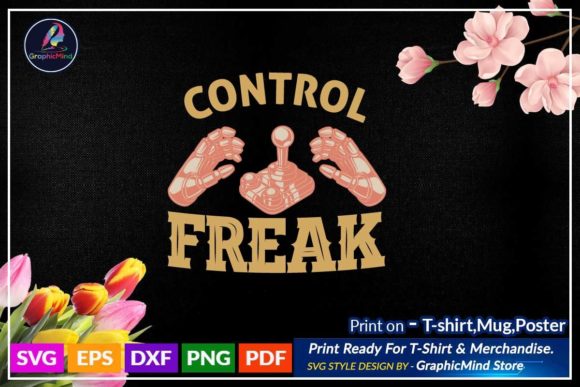
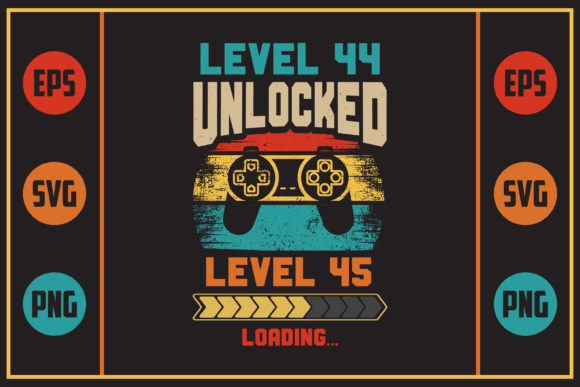
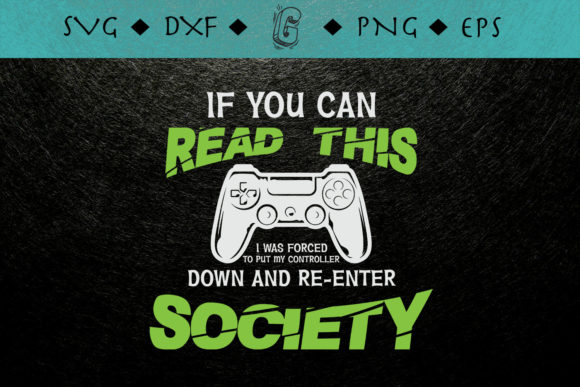
The immediate mood of Video Game for Gamers Who Love Gaming is playful yet bold. It captures the energetic spirit of gaming culture without relying on overly complex gradients that often fail in embroidery. From a layout perspective, the shapes are distinct. This is crucial. In embroidery, we rely on contrast between satin stitch borders and fill stitch interiors to create depth. If a design is too muddy, it looks like a blob from three feet away.
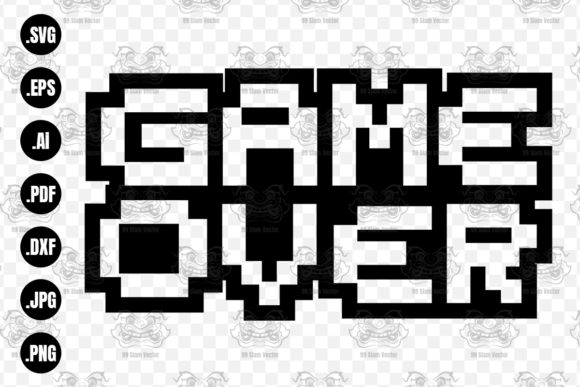
This particular graphic, categorized under Print Templates and Graphics, offers a clean silhouette. For an Etsy seller or small shop product creator, this means high recognizability. Whether you are stitching it onto a dark hoodie or a light canvas tote, the visual personality remains intact. It feels modern, which is essential for appealing to younger demographics or parents buying personalized gift items for their gamer children.
Real-World Application: The Custom Sweatshirt Test
To truly evaluate an embroidery file, you have to stitch it. I chose a mid-weight cotton blend sweatshirt for my first test. This is a common item for custom apparel orders. The goal was to see how the design handled the slight texture of the fleece backing.
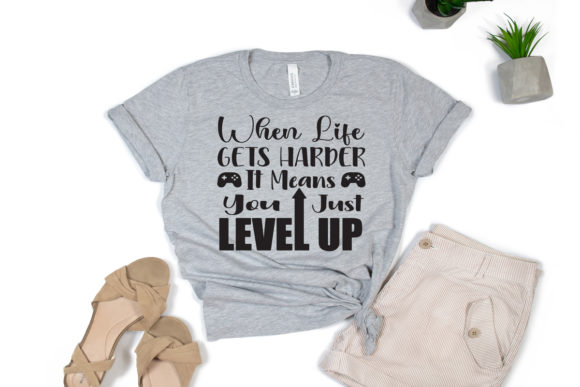
The result was impressive. The design sat flat against the fabric, suggesting that the stitch density is well-balanced. Too dense, and the fabric puckers; too sparse, and the background shows through awkwardly. On the sweatshirt, the colors popped. I used a contrasting thread for the outline, which helped define the edges sharply. This kind of presentation builds customer trust. When a buyer sees a crisp, professional finished product, they perceive higher value. It transforms a simple garment into a boutique-quality item.
I also considered how this would look as an embroidered patch. Patches are trending heavily in the handmade product market. Because the design has strong outer lines, it would digitize beautifully into a merrowed-edge patch. This versatility makes it a smart addition to any commercial embroidery portfolio.
Navigating Fabric Challenges and Hoop Sizes
While the design performed well on stable fabrics, I had to think critically about where it might struggle. Any experienced embroiderer knows that fabric texture plays a huge role. If you are planning to use this on a stretchy jersey for a baby embroidery project, you must use a cut-away stabilizer. The design has enough detail that shifting fabric could distort the image.
Another consideration is hoop size. Before purchasing or downloading, always check the dimensions. If you are aiming for a subtle chest logo on a tote bag design, ensure the file scales down without losing integrity. Tiny details can get lost if the design is reduced too much. Conversely, if you are going large for a back panel, check for long jumps or excessive trims that might slow down production.
Dark fabrics present another challenge. If you are stitching on black or navy, you may need to adjust your thread colors for maximum visibility. A running stitch underlay becomes critical here to prevent the dark fabric from peeking through lighter threads. I recommend testing a sample on scrap fabric first. This simple step saves hours of frustration and ensures your brand consistency remains high across different product lines.
Commercial Viability for Makers and Sellers
For digital product sellers and creative entrepreneurs, the question is always: will this sell? The gaming niche is evergreen. Parents, partners, and friends are constantly seeking holiday embroidery ideas or birthday gifts for gamers. This design fits perfectly into those categories. It works for holiday gifts, wedding gifts (for the groom who loves gaming), or even nursery decor if styled correctly.
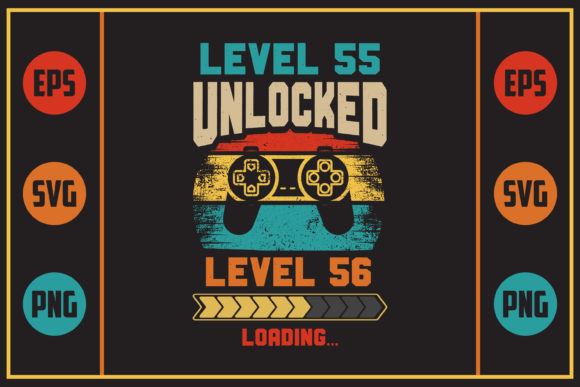
However, licensing is key. The product description mentions editable files like SVG, PNG, DXF, and EPS. These are typically used for cutting machines like Cricut, but for embroidery, you need to ensure you have the rights to use the visual concept for stitched goods. Always confirm whether the license covers commercial use for physical items. If you are creating printable mockup previews for your online store, these high-resolution PNGs are invaluable. They allow you to showcase the design on various products without stitching every single sample, saving time and resources.
Practical Designer Notes for Best Results
- Test on Scrap: Always stitch a test piece on the same fabric type you plan to sell. Check for puckering or thread breaks.
- Check Contrast: View the design in black and white. If the details disappear, you may need to simplify or change thread weights.
- Stabilizer Choice: Use tear-away for stable woven fabrics like towels or aprons, and cut-away for knits like t-shirts and sweatshirts.
- Verify Formats: Ensure you have the correct embroidery file format (PES, DST, JEF, etc.) for your specific machine, as the listed SVG/DXF files are primarily for cutting.
- Scale Appropriately: Do not exceed the recommended size limits for your hoop to avoid hitting the clamp or distorting the design.
Final Verdict on Stitching Clarity and Appeal
In conclusion, Video Game for Gamers Who Love Gaming is a solid contender for your next embroidery project. It balances aesthetic appeal with technical feasibility. For apparel decorators and makers, it offers a reliable way to tap into a lucrative market. The design’s strength lies in its bold lines and adaptable theme. Whether you are creating a tea towel for a quirky kitchen, a cap for a tournament, or a pillow cover for a teen’s bedroom, this graphic holds its own.
Remember, the success of any digital embroidery file depends on the skill of the operator. Take the time to understand your machine, choose quality threads, and respect the fabric. When you combine a good design with proper technique, the result is a handmade product that stands out in a crowded marketplace. This design gives you that foundation; now it is up to you to stitch it with precision.